
«Federico», the podcast and «Tejer memoria», radio programme
THE BEGINNING OF “FEDERICO”
In May 2023, María San Miguel was commissioned to portray the figure of the poet Federico García Lorca in a play, through a documentary-style exploration at Granada and around the town of Valderrubio. This commission sought to reconcile the community with the silence that had settled over the town since Federico’s murder. The research process began then, in May 2023, and since then María has conducted numerous interviews with various individuals regarding the figure of Federico García Lorca and Granada.
Along the course of the research, the exhumations currently taking place in Víznar (Granada) and Córdoba, and the scientific team (archaeologists, historians, anthropologists…) leading the excavations, crossed paths—and it was inevitable that they would, given that we are talking about Federico García Lorca. As a result, there are now more than 20 hours of interviews containing very interesting audio material that is inaccessible in its raw form.
This project responds to the desire to unravel, organize, and weave together all the valuable documentary material that María has gathered in order to create a podcast about the reality of Granada today—about the living and the dead people who are being discovered under the ground and those that are waiting to be found.
FEDERICO. NO HAY OLVIDO, NI SUEÑO: CARNE VIVA (Federico. There is no forgetting, no dream: fresh raw) and TEJER MEMORIA.
They have been created as the results of the research we conducted to produce the play of the same name, and it compiles key material from interviews conducted about Federico García Lorca.
This podcast is designed to straddle the line between audio drama and journalistic investigation, from an artistic perspective.
A three-episode documentary series and three-epidsode documentary for the national radio CADENA SER, permeated by silence, memory, and violence, featuring voices from the Vega de Granada, the research team at the University of Granada, relatives of victims of the coup d’état and the Civil War, researchers and popularizers of the figure of Federico García Lorca, and much more.
CREDITS
DIRECTORS: María San Miguel and Conchi Cejudo
SCRIPT: María San Miguel and Conchi Cejudo
SOUND DESIGN: Yago Mendivil
ORIGINAL MUSIC: Juan Alberto Martínez
EDITING: Sara Velasco
VOICE OF FEDERICO: Pablo Rodríguez
GRAPHIC DESIGN AND PRODUCTION: Alba Muñoz
«Federico» the podcast
Podcast trailer
CAPÍTULO 1. PEPITO DEL AMOR. LOS SUSURROS DE LA MEMORIA
Chapter 1. Pepito del Amor. The whispers of memory
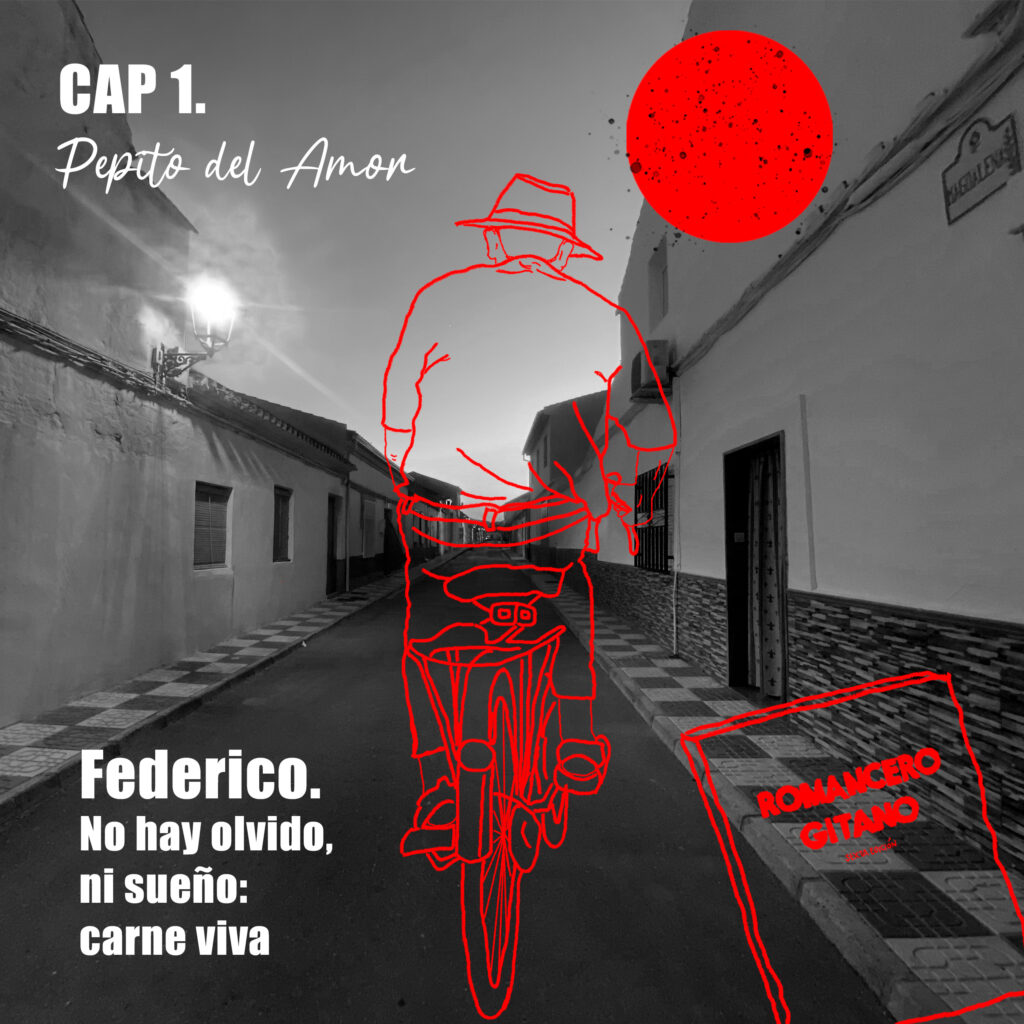
This first chapter centers on Pepito del Amor, the guardian of Federico’s memory in Valderrubio—formerly known as La Asquerosa—the village where he first saw the light of day. It is a journey through silence and the cracks through which memory (always) finds its way.
CAPÍTULO 2. AGUSTINA. ELLAS
Chapter 2. Agustina. Women
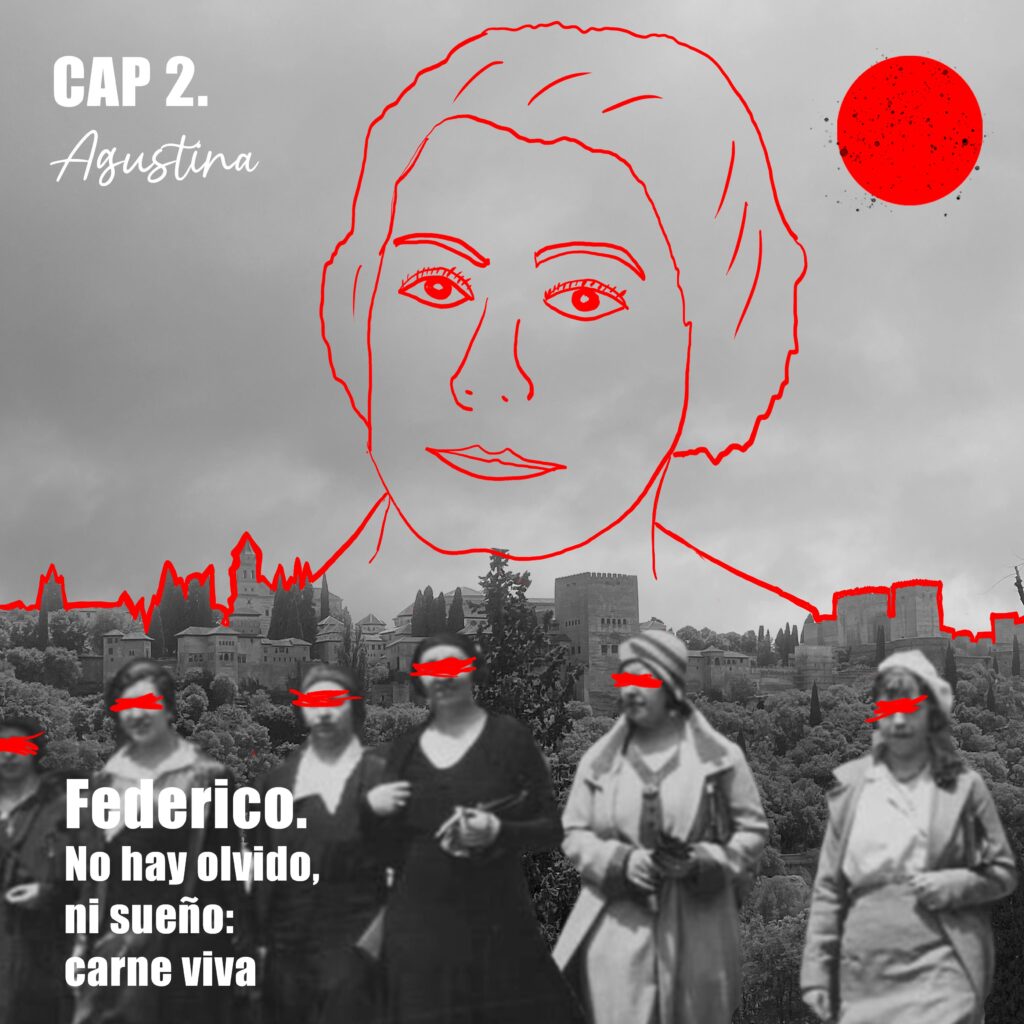
Agustina González López, known as “La Zapatera,” was a Spanish thinker, writer, and politician of the 20th century. Agustina was a feminist, environmentalist, and pro-European. In this episode, we explore the history of women, erased and silenced by the Franco regime.
CAPÍTULO 3. FEDERICO. RAÍCES
Chapter 3. Federico. Origins.

The stories and fictional accounts surrounding the life, death, and disappearance of Federico García Lorca are varied. When you explore the poet’s life and death, you are delving into a ghost story—a story full of gaps, fabrications, silences, and assumptions.
In this chapter, we approach the poet through popular memory—from the very roots.
«Tejer Memoria» en la Cadena SER
‘Tejer memoria’ [Weaving memory] is the title given to María San Miguel’s segment on ‘La Ventana’ de Marta del Vado, broadcast on Thursdays throughout July 2025 on Cadena SER. This segment is a continuation of the podcast *Federico. No hay olvido, ni sueño: carne viva*. With the collaboration of Conchi Cejudo.
Capítulo I: «La memoria de las mujeres» / Chapter 1: Women's memory
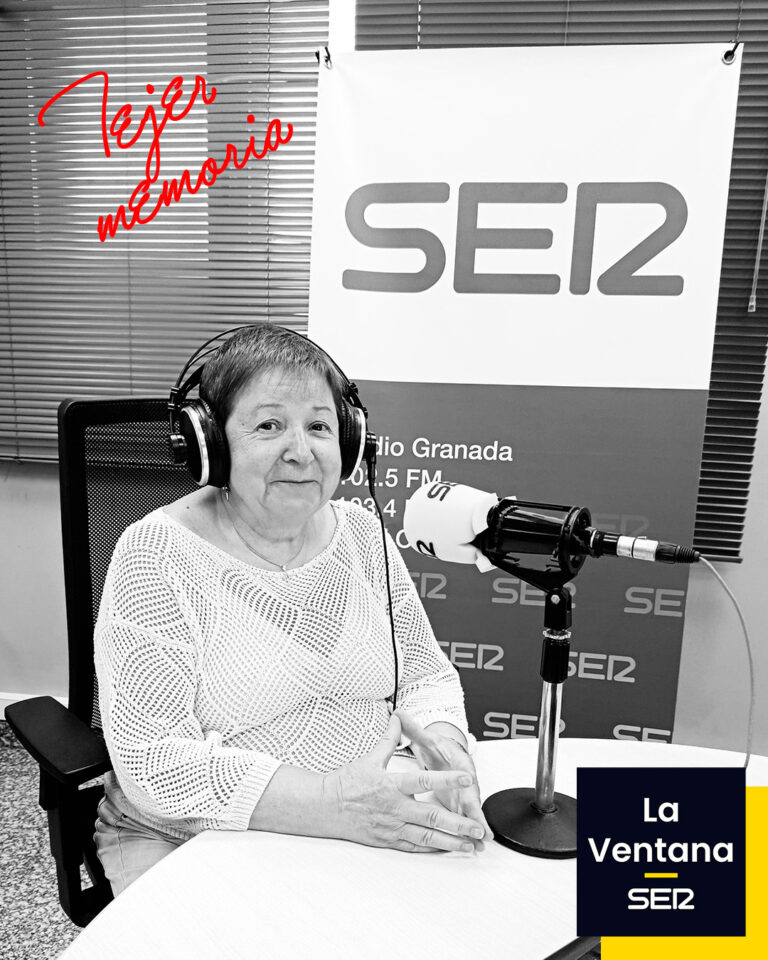
Agustina González López, known as ‘La Zapatera’, was a 20th-century Spanish thinker, writer and politician who was murdered in Víznar (Granada) in the early months of the Civil War. A feminist, environmentalist and pro-European, Agustina was a figure ahead of her time.
It is said that Federico García Lorca drew inspiration from her to create the protagonist of ‘La zapatera prodigiosa’ and the character of Amelia in ‘La casa de Bernarda Alba’, as that was the name she went by and used to sign some of her writings. It is believed that her body could be one of the first to be exhumed from the Barranco de Víznar, in a small mass grave alongside those of two other women.
This episode features Enriqueta Barranco, a research lecturer at the University Institute for Research into Women’s and Gender Studies at the University of Granada.
Listen the programme here
Listen the programme just here or in the website of Cadena SER – from minute 35:54 to 53:59.
Capítulo II: «Los Detectives del Olvido» / Chapter 2: The Detectives of Oblivion
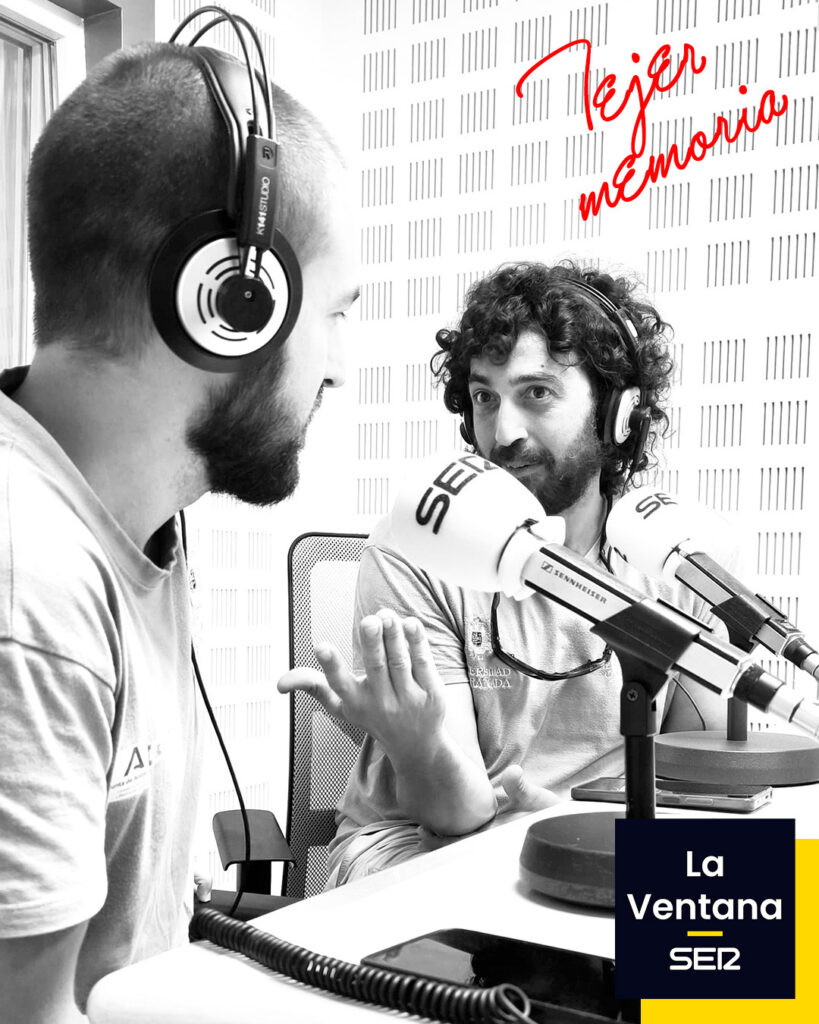
Federico García Lorca said that “only mystery makes us live”; yet there are professionals who work to transform mystery into an exercise in memory. Readers of the earth who unearth stories with spades and brushes, creating unique records. María San Miguel introduces us to these teams of professionals from the fields of archaeology, physical and forensic anthropology, sociology and history, who follow clues, read the earth and unravel this tangle of threads that weave together memory – a task requiring extremely rigorous and meticulous work.
This episode features Daniel Quiroga and Antonio Luque, from the interdisciplinary team at the University of Granada, who have been conducting exhumation campaigns at the La Salud cemetery in Huelva since 2024.
Listen the programme here
Listen the programme just here or in the website of Cadena SER.
Capítulo III: «Somos memoria» / Chapter 3: We are all memories
Tillie Olsen, the American feminist writer, once said that silences obscure literary history and the present.
To break silences is to engage with memory, to ask questions, to share them with those around us, and to open doors and windows to let the light in.
In this final chapter of the ‘Tejer memoria’ section, we have journeyed from Federico García Lorca to the present day.
Federico García Lorca’s plays, his poems, his life, his lectures and the places he visited continue to inspire artists from various disciplines today. From the visual arts, through music and, of course, the theatre—where his works are adapted and given contemporary interpretations—we continue to ask ourselves questions and imagine his life… Federico García Lorca is infinite and remains as relevant as ever.
Marcelle Auclair, a Hispanist and one of Federico’s biographers – though, incidentally, largely unknown within the cultural imagination surrounding the poet – wrote a beautiful dedication in ‘Enfance et morts de García Lorca’, which for us sums up not only our relationship with Federico but also what our relationship with memory ought to be.
Marcelle writes: “To you, my friends in Spain, who can say: ‘Federico is our youth’.”
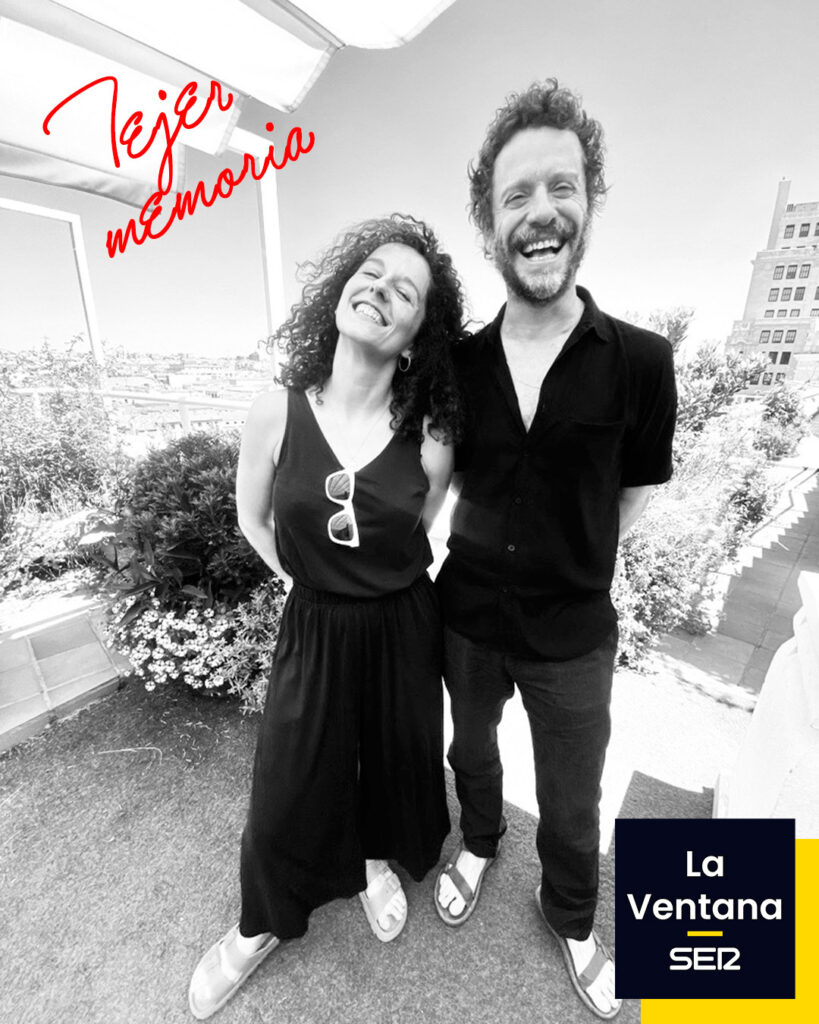
Through this symbolic and deeply inspiring youth, we have shared the stage with Juan Alberto Martínez, a musician and part of the artistic team behind our production of *Federico*.
Listen the programme here
Listen here the episode or at Cadena SER website.
This project is supported by the Ministry of Culture through the Public Aid for the promotion of the video game, podcast and other forms of digital creation sector 2024, within the framework of the Recovery Plan, Transformation and Resilience Plan.

And with the support of the FIC-TRANS R&D Project (FICTION, TRANSMEDIA CREATION, AND POST-TRUTH IN CONTEMPORARY MEDIA CULTURE) PID2021-124434NB-I00, and the Spanish Government’s ESPAÑA EN LIBERTAD (“Spain in Freedom”) program.


Federico. No hay olvido, ni sueño: carne viva (Federico. There is no forgetting, no dream: fresh raw) the theatrical production, was made possible thanks to the collaboration of:


